Book a Consultation
 LOGIN
LOGIN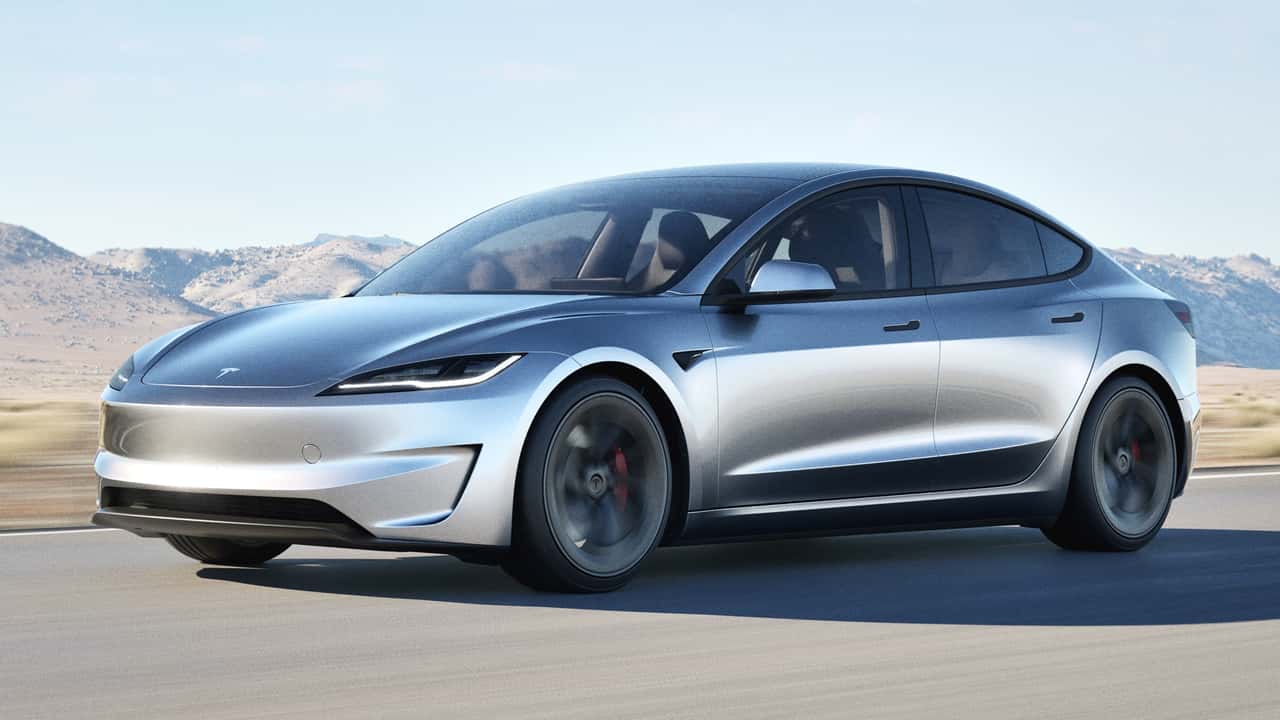
Latest News
The Government has announced a staged wind-back of the current Fringe Benefits Tax (FBT) exemption for electric vehicles (EVs), following recommendations from the Statutory Review of the Electric Car Discount released in May 2026. While the policy continues to support EV uptake, it also aims to make concessions more sustainable and better targeted. The changes are expected to save the Budget an estimated $1.7 billion over five years from 2025-26.
Importantly, nothing changes immediately - the existing full FBT exemption for qualifying EVs continues until 31 March 2027.
Three-phase transition
Phase 1 - Now until 31 March 2027
The current rules remain fully in place.
Eligible EVs below the Luxury Car Tax (LCT) threshold (approximately $91,387 for fuel-efficient vehicles in 2025-26) continue to enjoy a complete FBT exemption.
For businesses and employees using novated leases or salary packaging, there is no change during this period.
Phase 2 - 1 April 2027 to 31 March 2029
The concession begins to narrow, with a focus on more affordable vehicles:
- EVs costing $75,000 or less: Full FBT exemption continues if the eligibility conditions are met.
- EVs priced above $75,000 and below the LCT threshold: A 25% FBT discount applies when calculating the FBT liability.
This phase is intended to encourage manufacturers to continue supplying competitively priced EVs into the Australian market, complementing the Government's New Vehicle Efficiency Standards.
Phase 3 - From 1 April 2029
All eligible EVs under the LCT threshold will receive a flat 25% FBT discount, regardless of price.
The import tariff exemption for qualifying EVs remains permanently in place.
Grandfathering of existing leases
The Government has indicated that existing arrangements will be protected: current leases will not be affected by the new rules.
Draft legislation will clarify the precise scope of this grandfathering, but businesses and employees can take some comfort that current packages will continue to qualify for existing FBT concessions.
What this means for your business and your employees
The FBT exemption has been one of the most effective incentives driving EV adoption, particularly via novated leasing, allowing employees to access EVs using pre-tax income. The Review found that the exemption:
- Led to around 64,000 additional battery EVs in its first three years
- Reduced emissions and improved fuel savings
- Increased EV uptake across metropolitan, regional and outer-suburban areas
However, it also highlighted equity concerns (higher-income employees benefited disproportionately) and noted that costs to the Budget were growing quickly. The new phased approach aims to balance continued access to lower-cost EVs with long-term fiscal sustainability from the Government's perspective.
Practical considerations for businesses and individuals
- Consider acting before 31 March 2027: Anyone thinking about packaging an EV may benefit from entering arrangements while the full exemption still applies. Timing of orders and leases will be particularly important.
- Review fleet and salary packaging models: From 2027 onwards, the value proposition will shift. EVs at or below $75,000 will remain highly attractive under the full exemption in Phase 2.
- Commercial fleets: Businesses with high work-use vehicles may see limited impact, but reviewing total cost of ownership (including FBT, running costs and charging infrastructure) remains essential.
- Second-hand EVs: A growing used-EV market may provide cost-effective alternatives, particularly where new-vehicle thresholds become restrictive.
EV momentum remains strong. EV/PHEV sales reached 22.9% of new vehicles in March 2026, up from just 1.8% in May 2022, with an increasing number of models now available in the $30,000-$40,000 range.
Next steps
These reforms maintain support for cleaner transport while tightening the focus of concessions. As always, the fine print in the amending legislation will matter, especially when it comes to transitional rules.
If you are considering acquiring an EV - personally or for your business - or want to understand the impact on salary packaging and fleet costs, our team can model the outcomes and advise on the optimal timing. Please let us know if you would like some assistance with working through your options.
Disclaimer: This article is intended to provide general information only and does not constitute financial advice. It is based on publicly available guidance from the Australian Taxation Office (ATO) and other regulatory bodies. Before making any decisions regarding your superannuation or SMSF, we recommend seeking advice from a licensed financial adviser or SMSF specialist who understands your individual circumstances.




Connect with WSC Group